|
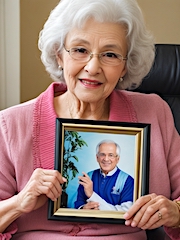
Losing a spouse is a deeply emotional and challenging experience, and for many seniors, it's a reality they must face. In this page, we explore how seniors tend to deal with the loss of a spouse, offer guidance for preparing for an anticipated death, and provide support for those who experience sudden loss.
Dealing with the Loss -
When a spouse passes away, seniors often experience a range of emotions and practical challenges:
- Grief and Mourning: Grief is a natural response to loss. Seniors may go through stages of mourning that include denial, anger, bargaining, depression, and acceptance.
- Loneliness: Living without the companionship of a spouse can be lonely. It's essential to seek social support from friends, family, and support groups.
- Emotional Rollercoaster: Seniors might experience mood swings, heightened sensitivity, and a sense of emptiness. These feelings are normal but may benefit from counseling or therapy.
- Practical Matters: Handling the logistics of a spouse's death, such as funeral arrangements, legal matters, and financial adjustments, can be overwhelming. Seek assistance from professionals and family.
- Physical and Mental Health: The stress of loss can impact one's physical and mental health. It's vital to prioritize self-care, which includes regular medical check-ups.
- Change in Daily Routine: Life's daily routine may change significantly, requiring adjustments in tasks and responsibilities.
Preparing for an Anticipated Death -
In cases where a spouse's death is anticipated due to a lingering illness or condition, there are steps seniors can take to prepare:
- Open Communication: Maintain open and honest communication with your spouse. Discuss final wishes, financial arrangements, and legal matters.
- Legal Documents: Ensure legal documents, such as wills, advance directives, and power of attorney, are in order.
- Financial Planning: Consult with a financial advisor to assess your financial situation after your spouse's death.
- Emotional Support: Seek emotional support through therapy or support groups to help you and your spouse prepare emotionally.
- Medical Care: Ensure the best possible medical care and support for your spouse, making their last days as comfortable as possible.
Dealing with Sudden Loss -
In cases of sudden loss due to accidents, strokes, or heart attacks, the shock can be overwhelming. Here's how to navigate sudden loss:
- Immediate Support: Reach out to friends and family for immediate emotional support. Don't hesitate to ask for help with practical matters.
- Legal and Financial Matters: Consult an attorney to address legal and financial matters promptly.
- Grief Counseling: Consider grief counseling to help you process the sudden loss and its emotional impact.
- Adjusting to Single Life: Transitioning into single life requires patience. Take time to grieve, and slowly adapt to your new routine.
- Preserve Memories: Keep the memory of your spouse alive by creating a memory book or engaging in activities that remind you of them.
Seeking Support -
During this challenging time, it's crucial to seek support and connection:
- Counseling: Grief counseling can provide a safe space to express your emotions and navigate the complex journey of loss.
- Support Groups: Joining support groups for grieving spouses allows you to connect with others who understand your experience.
- Family and Friends: Lean on your support network of friends and family who can provide companionship and assistance.
- Maintaining Health: Prioritize your physical and emotional well-being through regular exercise, balanced nutrition, and relaxation techniques.
While the loss of a spouse is a profound and life-altering experience, seeking support and taking proactive steps can help seniors navigate this challenging chapter of life. Remember that grief is a unique journey for everyone, and it's essential to be patient with yourself as you heal and find ways to honor your spouse's memory while embracing the future.
Please Note: Grief is a deeply personal experience, and the grieving process varies for each individual. Seek professional guidance if you find it challenging to cope with loss.
|

|