(The following health-related information is general in nature and not intended to replace guidance given by a licensed, qualified physician. Please consult a trained medical authority before acting on any information supplied here.)
Monitoring the health and well-being of seniors is a proactive way to ensure that they receive the necessary care and support to maintain their quality of life.
"Built For Seniors" provides insights on what aspects of senior health require regular monitoring and how to effectively track more serious or chronic conditions.
Regular Health Check-Ups -
Seniors should maintain a routine schedule of health check-ups, including:
- Physical Examinations: Regular check-ups with a physician to assess overall health.
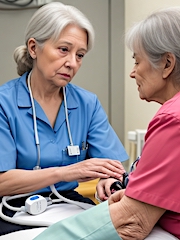
- Vital Sign Measurements: Monitoring blood pressure, heart rate, and temperature.
- Blood Tests: Periodic blood tests to evaluate cholesterol, blood sugar levels, and organ function.
Chronic Condition Management -
Seniors with chronic conditions require ongoing monitoring, including:
- Diabetes: Regular blood sugar monitoring and insulin management.
- Hypertension: Consistent blood pressure tracking and medication adjustments.
- COPD and Respiratory Conditions: Monitoring lung function and oxygen levels.
Medication Management -
The effects and side effects of medications must be closely observed:
- Adverse Effects: Be vigilant about any adverse reactions to medications and report them to your healthcare provider.
- Medication Compliance: Ensure that seniors adhere to medication schedules and dosages.
Recovery and Deterioration Tracking -
Seniors recovering from treatments or showing signs of deterioration require special attention:
- Post-Treatment Monitoring: Keep a watchful eye on post-treatment progress and any potential complications.
- Symptom Observation: Monitor changes in symptoms and report them promptly to healthcare providers.
Essential Monitoring Devices -
To effectively monitor senior health, consider having the following devices and instruments on hand:
- Blood Pressure Monitor: Regularly track blood pressure and heart rate.
- Glucose Meter: Essential for seniors with diabetes to monitor blood sugar levels.
- Thermometer: For measuring body temperature in case of fever or infection.
- Pulse Oximeter: Monitors oxygen levels, especially for those with respiratory conditions.
- Medication Organizer: Helps seniors adhere to their medication schedules.
- Symptom Diary: Maintain a diary to record symptoms, their duration, and potential triggers.
"Built For Seniors" is committed to empowering seniors and their advocates with the knowledge and resources required to monitor health effectively. By implementing routine check-ups, maintaining devices for health measurements, and proactively managing chronic conditions, you can ensure that senior wellness is safeguarded and that any issues are addressed promptly.