|
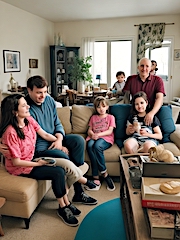
Many seniors choose to live with their offspring and even grandchildren, embracing the warmth and vitality of a multi-generational family environment. This living arrangement has its own set of advantages, challenges, and considerations.
Pros of Multi-Generation Family Living -
- Emotional Connection: The bonds between generations can strengthen as family members live together, providing emotional support and companionship.
- Shared Responsibilities: Family members can collaborate in managing household chores, caregiving, and financial responsibilities.
- Cost Savings: Sharing living expenses and resources can help reduce financial burdens and ensure a more stable and comfortable environment.
- Childcare and Education: Grandparents often play a crucial role in caring for and imparting wisdom to younger family members.
- Cultural Exchange: Different generations can learn from each other's experiences and cultural backgrounds.
- Social Engagement: Seniors benefit from the liveliness of family life, which can help combat loneliness and depression.
Challenges of Multi-Generation Living -
- Privacy: Living in a crowded household can sometimes mean less privacy for all family members.
- Differing Needs: Balancing the needs and schedules of various generations can be complex.
- Adjustment Period: It may take time for all family members to adapt to the new living arrangement.
Promoting a Harmonious Multi-Generation Home -
To ensure a harmonious multi-generation family environment, open communication and compromise are essential. Here are some considerations:
- Independence: Define areas where the senior can maintain independence while also participating in family life. Establish a balance between personal time and family time.
- Environmental Modifications: If needed, make modifications to the living space to accommodate the senior's mobility and accessibility. These may include handrails, ramps, or bathroom upgrades.
- Home Equipment: Purchase or install necessary equipment, such as mobility aids or assistive devices, to make daily life more convenient for the senior.
- Family Rules: Create family rules and expectations, taking into account the needs and routines of each generation.
- Communication: Foster open and respectful communication to address concerns, celebrate achievements, and plan for shared responsibilities.
- Support Network: Encourage extended family or support services, if required, to help with caregiving, medical needs, or emotional support.
Living in a multi-generational family has the potential to enrich the lives of all family members. By embracing shared responsibilities, clear communication, and an understanding of individual needs, the multi-generation home can create a nurturing and vibrant environment where everyone thrives.
|

|