

















|
 |
|
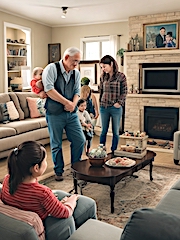
Multi-generational homes bring together individuals of various age groups, from seniors to teenagers and youngsters, creating a rich family dynamic. However, when designing these living spaces, it's essential to consider the unique needs and preferences of each family member. Finding a balance between shared spaces and private areas is crucial to ensure everyone's comfort and well-being.
Designing a Multi-Generational Home -
- One-Size-Fits-All vs. Age-Specific Items: While multi-generational homes can use shared furniture and fixtures, it's often beneficial to have age-specific items. For seniors, comfortable and supportive seating is essential, while teenagers might need desks for studying. Choose furniture and fixtures that cater to everyone's needs.
- Functionality of Common Areas: Multi-generational homes typically feature common areas, such as the living room, dining room, and kitchen, where family members gather for shared activities. These spaces should be versatile, accommodating different interests and age groups.
- Age-Specific Areas: Beyond shared spaces, consider creating age-specific areas. For example, a senior may need a quiet room for relaxation and reflection, while teenagers might benefit from a dedicated study or recreational space.
- Sound-Proofing: Depending on the home's layout, sound-proofing can be essential. Sound insulation measures can be employed between bedrooms to minimize disturbances. This ensures that seniors' sleep is not disrupted by late-night activities.
- Entertainment Solutions: To address different interests in television viewing, having multiple TV sets or a room where different age groups can watch their preferred programs is ideal. This allows family members to enjoy their entertainment without interfering with others.
- Customizable Spaces: Consider flexible spaces that can be adapted for various activities. For example, a room can serve as a guest bedroom when seniors have visitors or as a playroom for youngsters.
Respecting Individual Desires and Activities -
- Family Meetings: Regular family meetings can be held to discuss individual needs, preferences, and schedules, fostering open communication and understanding.
- Designated Spaces: Ensure that every family member has a designated space for personal items and hobbies, respecting their individuality.
- Design Assistance: Consulting an interior designer or decorator experienced in multi-generational living can help create a harmonious and functional space.
Conclusion -
Multi-generational homes can thrive when they strike a balance between shared areas and age-specific spaces. By thoughtfully addressing the unique desires and activities of each family member, it is possible to create a harmonious living environment where everyone feels comfortable, respected, and valued. It's essential to recognize that the needs of seniors, adult children, teenagers, and youngsters differ significantly, and a well-designed multi-generational home accommodates these variations, ensuring a fulfilling living experience for everyone.
|

|
|