

















|
 |
|
(The following health-related information is general in nature and not intended to replace guidance given by a licensed, qualified physician. Please consult a trained medical authority before acting on any information supplied here.)
Pain is a part of life, and as seniors age, they may encounter various types of pain, from mild discomfort to more intense, chronic conditions.
"Built For Seniors" delves into the different kinds of common pain and their sources, treatments, coping strategies, and preventative measures to help seniors manage pain effectively.
Exploring Common Types of Pain -
Seniors may experience various types of pain:
- Muscle and Joint Pain: Arthritis, overuse, or injuries can cause discomfort.
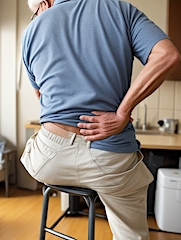
- Back Pain: A common issue due to aging or spinal conditions.
- Chronic Pain: Conditions like fibromyalgia or neuropathy result in ongoing pain.
- Headaches and Migraines: Seniors may experience frequent headaches.
- Post-Surgery Pain: Discomfort after medical procedures is typical.
Sources of Pain -
Understanding the sources of pain is crucial:
- Medical Conditions: Conditions like arthritis, diabetes, or cancer can lead to pain.
- Injuries: Accidents or falls may result in pain.
- Age-Related Changes: Normal aging can bring about joint and muscle discomfort.
Treatments and Coping Strategies -
Effective pain management involves:
- Medications: Over-the-counter or prescribed pain relievers.
- Physical Therapy: Exercises to improve mobility and alleviate pain.
- Hot and Cold Therapy: Applying heat or cold packs can provide relief.
- Mind-Body Techniques: Meditation, relaxation, and breathing exercises.
- Supportive Devices: Mobility aids, braces, or assistive tools.
Coping with Pain -
Coping with pain requires a multifaceted approach:
- Emotional Support: Talking to loved ones or support groups can provide comfort.
- Pacing Activities: Balancing activity and rest to avoid overexertion.
- Positive Mindset: Maintaining a positive outlook can aid in coping.
Preventative Measures -
Seniors can take preventive measures to reduce the risk of pain:
- Regular Exercise: Staying active helps maintain joint and muscle health.
- Proper Nutrition: A balanced diet supports overall well-being.
- Safety Measures: Minimizing fall risks to prevent injuries.
- Medication Management: Taking medications as prescribed can prevent pain flare-ups.
"Built For Seniors" aims to empower seniors with the knowledge and tools they need to understand, cope with, and manage different types of pain effectively. With the right strategies, seniors can find relief and improve their quality of life.
|

|
|