In the senior years, many individuals find themselves actively engaged in political matters. Their involvement can range from staying informed and casting votes to participating in advocacy groups and community activities. How do seniors navigate the world of politics, and what role do they play in shaping political outcomes?
- Staying Informed: Seniors often take their role as informed citizens seriously. They rely on trusted news sources, both traditional and digital, to stay updated on local, national, and global political events.
- Political Vulnerability: Seniors, like other demographics, can be vulnerable to misinformation and political manipulation. It's crucial for them to critically evaluate information sources and fact-check, especially in the age of digital misinformation.
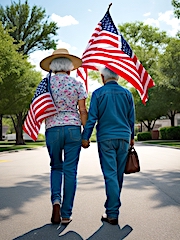
- Political Engagement: Seniors' political engagement varies widely. Some become avid activists, joining political groups, attending rallies, and contacting their elected officials. Others may choose to be more passive observers, casting their votes during elections.
- Cynicism and Indifference: Not all seniors are actively engaged in politics. Some may feel disillusioned or cynical, believing that political decisions do not reflect their interests. Others may feel indifferent, opting not to participate in political activities.
- Voting Patterns: Seniors' voting patterns often differ from younger generations. They tend to have higher voter turnout, and their voting decisions may be influenced by issues such as Social Security, healthcare, and pension benefits.
- Important Political Issues: Seniors often prioritize issues related to healthcare, Social Security, retirement benefits, and access to quality healthcare. These topics shape their political preferences and advocacy efforts.
- Active Citizenship: The senior years provide an opportunity for active citizenship. Whether by joining senior advocacy groups, volunteering for political campaigns, or attending town hall meetings, seniors can play a vital role in shaping public policy.
- Advocacy Organizations: Numerous organizations advocate for senior rights and interests in the political arena. These groups work to ensure that seniors' voices are heard and that their concerns are addressed.
Here are a few examples of advocacy groups that work on behalf of senior citizens in the United States:
- AARP (formerly known as the American Association of Retired Persons): AARP is one of the most prominent advocacy organizations for seniors. They focus on a wide range of issues affecting seniors, including healthcare, Social Security, retirement planning, and age discrimination.
- National Council on Aging (NCOA): NCOA is dedicated to improving the lives of older adults through programs, advocacy, and community services. They work on issues like healthcare access, economic security, and independent living.
- Alzheimer's Association: This organization is dedicated to providing support, resources, and advocacy for seniors dealing with Alzheimer's disease and other forms of dementia.
- American Seniors Association (ASA): ASA advocates for seniors on issues like healthcare, Medicare, and Social Security. They aim to protect and promote the interests of senior Americans.
- Elder Justice Coalition: This coalition focuses on addressing elder abuse, neglect, and exploitation issues and advocating for policy changes to protect seniors.
- Gray Panthers: Founded by Maggie Kuhn in the 1970s, this organization focuses on age discrimination, healthcare reform, and other issues relevant to seniors.
- Meals on Wheels America: While primarily a meal delivery program, Meals on Wheels America also advocates for seniors and addresses issues of senior hunger, isolation, and poverty.
- The National Consumer Voice for Quality Long-Term Care: This group advocates for quality long-term care for seniors and provides resources and support for individuals and families navigating long-term care options.
These organizations represent just a few of the many advocacy groups dedicated to addressing the needs and concerns of senior citizens. Each organization has its focus areas and priorities, but they all share the common goal of improving the quality of life for seniors.
In Conclusion -
Seniors occupy a significant place in the political landscape, and their engagement and priorities are diverse. Their role can range from active advocacy to passive observation, but their voices and votes continue to influence the political decisions that impact their lives and the broader community.
|

|